Best names in European Football?
A journey from Dumfries to the suburbs of Brussels.

In 2001 a seismic split took place that would shock football. High flying Sunday league outfit Charlton Wanderers split and the majority of the players (myself included) formed a new team. But what to call them?
The South east London location made Charlton inevitable, but much debate took place over the second part of the name. Torpedo, Spartak, Union, Inter and many other monikers were floated before we settled on Charlton St Germain (pre gulf era I should add). CSG petered out several years later, as inevitably players moved away, got married or became too old to perform.
However it made me consider how clubs settle on a name and indeed what would have happened if they had stuck with the original ones. St Domingo instead of Everton, Newton Heath rather than Manchester United, and famously Dial square before ‘Woolwich’ Arsenal.
As ever illumination and interest can be gained from a look across the channel and a scouring of the continental leagues for some of the best names in Football, as well as the meaning behind them. I have tried to be as fair as possible and resist only using the Dutch league for example, but with no claims to Scientific analysis here are my ten favourite European club names.
10) Deportivo Alaves
On the face of it, this yo-yo club from Victoria-Gasteiz in Alava have a fairly humdrum past. They came to my attention for their plucky run to the final of the UEFA cup in 2001 when Liverpool (in my view) sneakily beat them 5-4 in extra time. However once again it’s their original name which would have been superb if it had continued. Founded in 1921 as ‘Sport-friends’ they also have a cracking flag based badge so deserve to sneak into this list.
9) Young Boys Berne
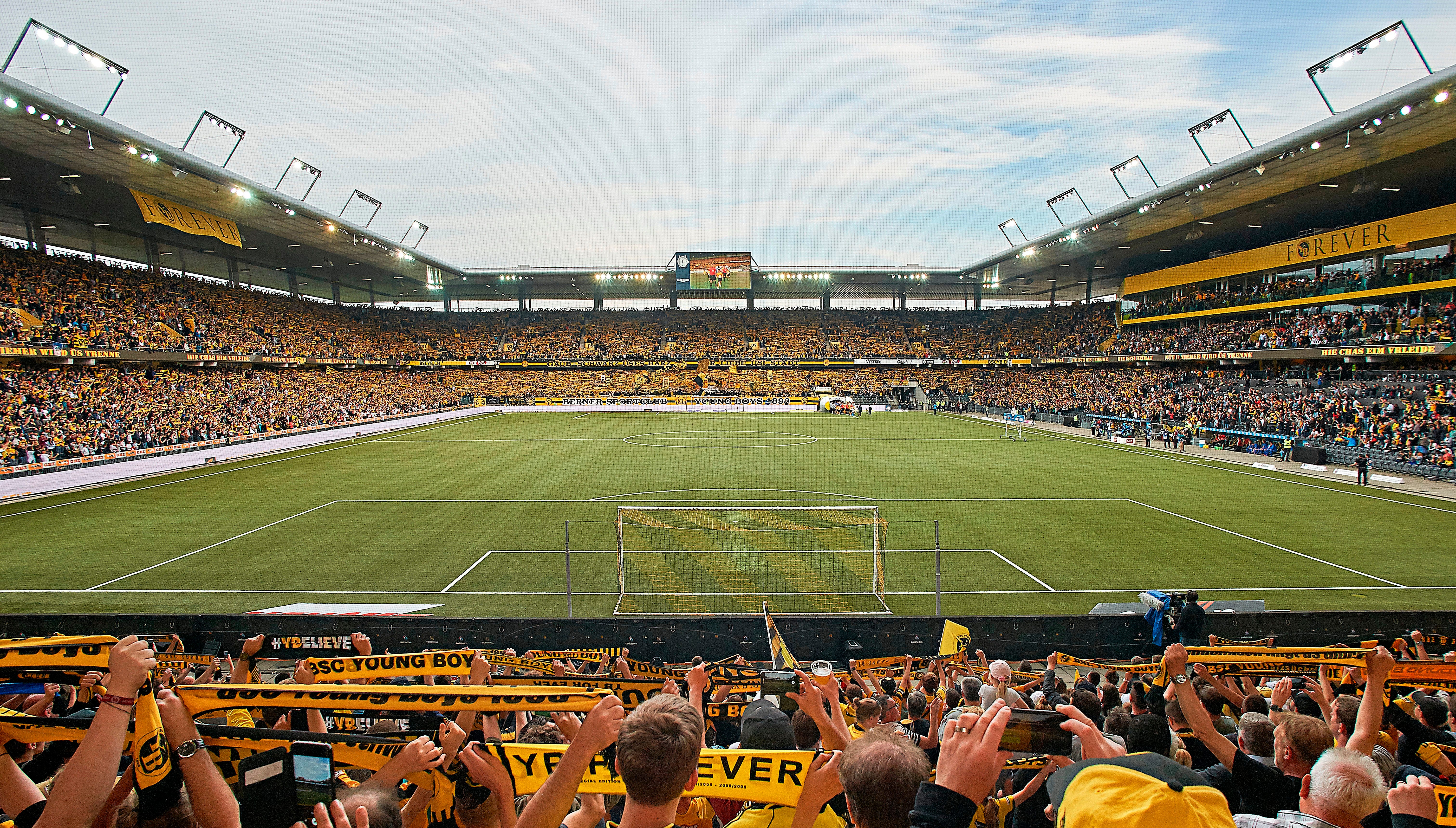
Another regular in European competition, and a stalwart of the Swiss league, this name is synonymous with success in this mountainous and neutral state. Based at the Wankdorf stadium (no jokes about teenage boys required) they have trousered 17 championships and 8 cups in their 127 year existence, but why Young boys?
The answer is indeed linked to the rebelliousness of youth. Formed by high school students the name was chosen to challenge an existing ‘Old boys’ club based in Basel, emphasising their freshness and youth. They have certainly eclipsed ‘Old boys’ who have mainly spent their history in the lower levels of Swiss football.
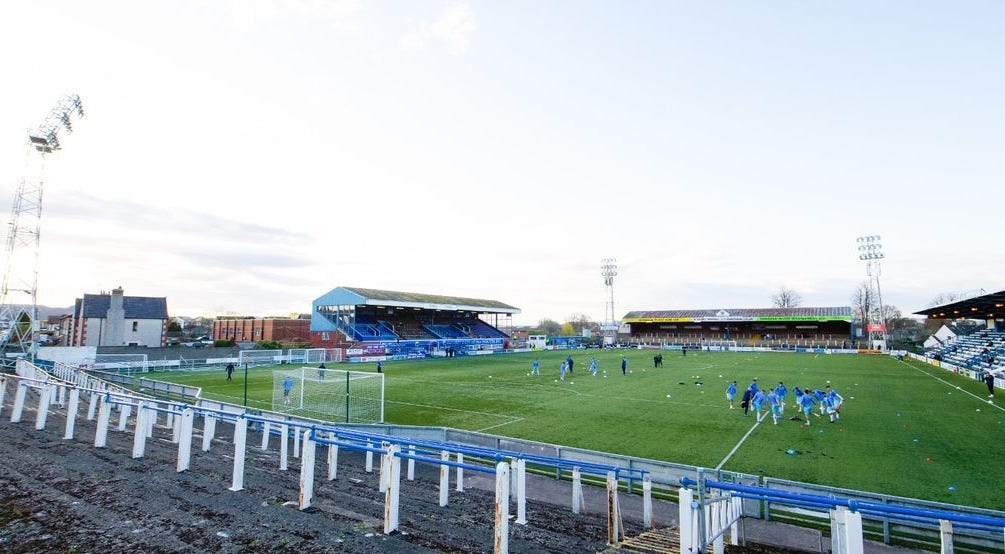
8) Queen of the South
The lower levels of the Scottish pyramid could run the Dutch close in eccentric and amusing names. Civil service Strollers, Whitehall Welfare and Gala Fairydean were all childhood videprinter favourites but, Dumfries based Queen of the south deserve a place in this list. The ‘Doonhamers’ were named after a local poet David Dunbar’s rhetoric. Campaigning for parliament he dubbed the town the ‘Queen of the South’ and after WW1 when like minded football lovers dreamed of a super team able to compete in national competition they borrowed his term and the club was born.
7) Lincoln Red Imps
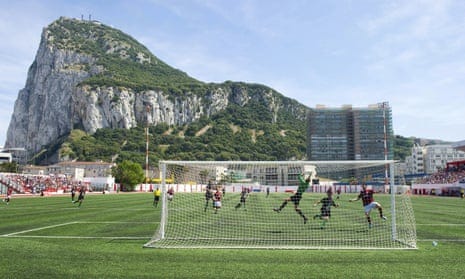
Gibraltar’s rise from an strange British backwater/military base to football minnows has been a long, slow one. Their clubs all share the same Victoria stadium and the league has an impressive 12 teams.
Red Imps are another club that had a former name that was also rather impressive. Formed in 1976 as ‘Blue Batons’ they had obvious associations with the police.
The connection with Lincoln city, gained after their owners friendship with a former resident led to a name change in the 1970’s and subsequent domination of the rocks top flight. They currently have 29 titles and 20 cups to their unusual name.
6) FC Santa Claus
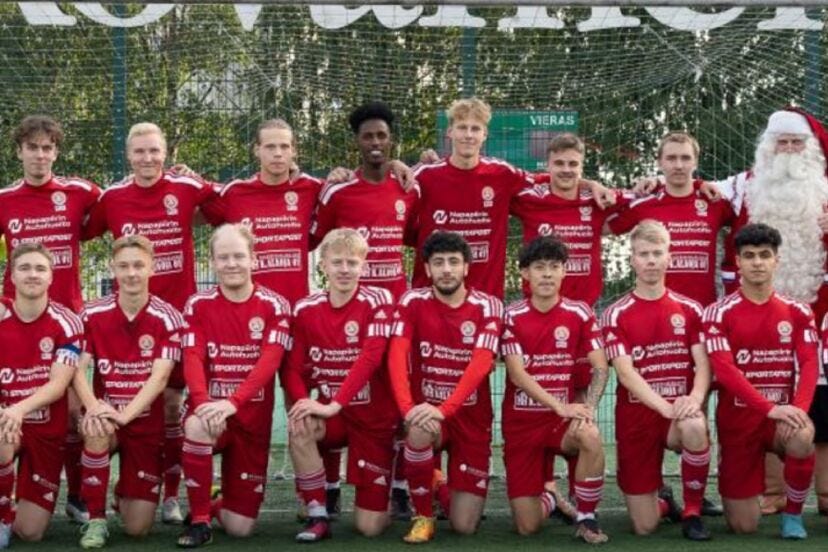
This sixth tier Finnish outfit are from the nondescript arctic city of Rovaniemi, which makes a year round buck out of the unlikely association with the 3rd century Turkish Saint Nicolas. Its secondary football club followed suit in 1992, and unsurprisingly wear red and white home kits, with green and white away.
They are not the biggest team in the town, with Rovaniemen Palloseura having played in the top flight and even won the cup twice but raise a lot of money for charity through kit sales worldwide. No prizes for guessing who their honorary manager is?
5) Les Dernières Cartouches de Carhaix
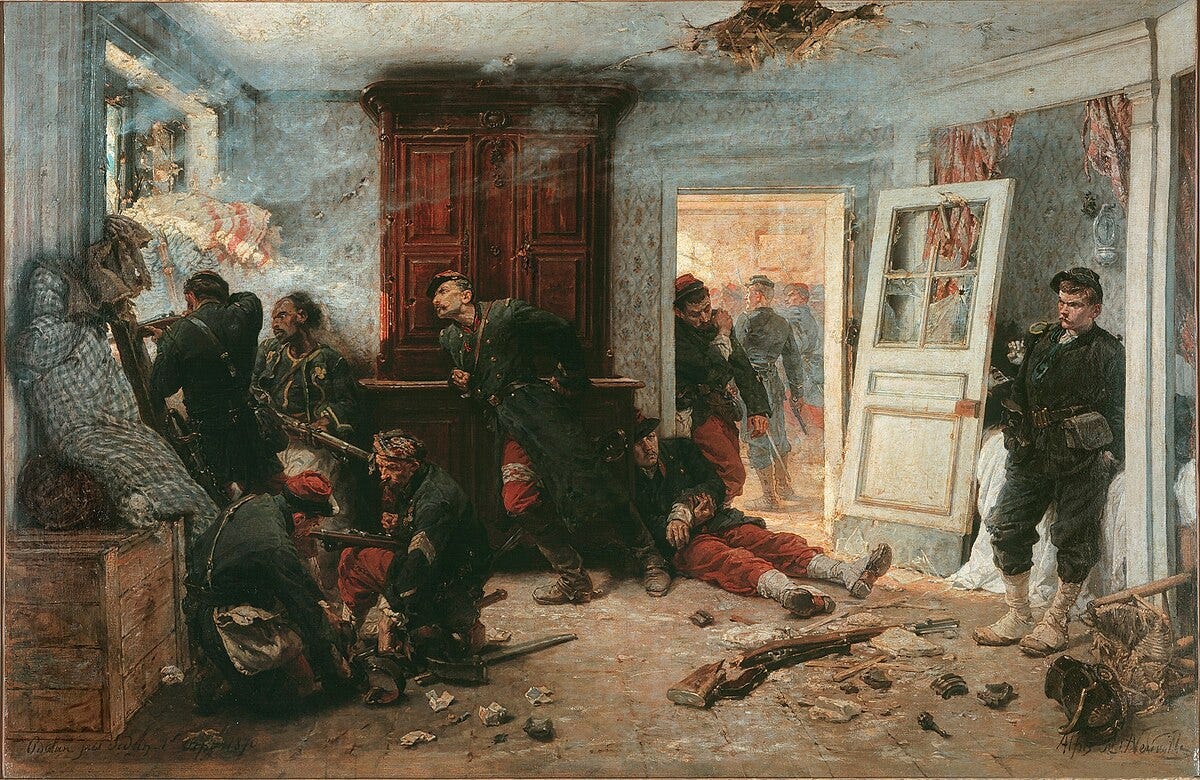
This non league Breton club has a stirringly patriotic name. The ‘last cartridges’ in English refers to a painting by Alphonse De Neuville of a desperate scene of defiance in the otherwise disastrous Franco-Prussian war of 1870. Covering their generals’ retreat from the front in the village of Bazailles in the last building standing (an inn) the defenders held out until they ran out of bullets. The firer of that final shot was Arsene Lambert who was born in Carhaix. He later won the Legion d’honneur for his bravery in the action, became a member of the French senate and even more excitedly had the club named after his deeds when they formed in 1907, six years after his death.
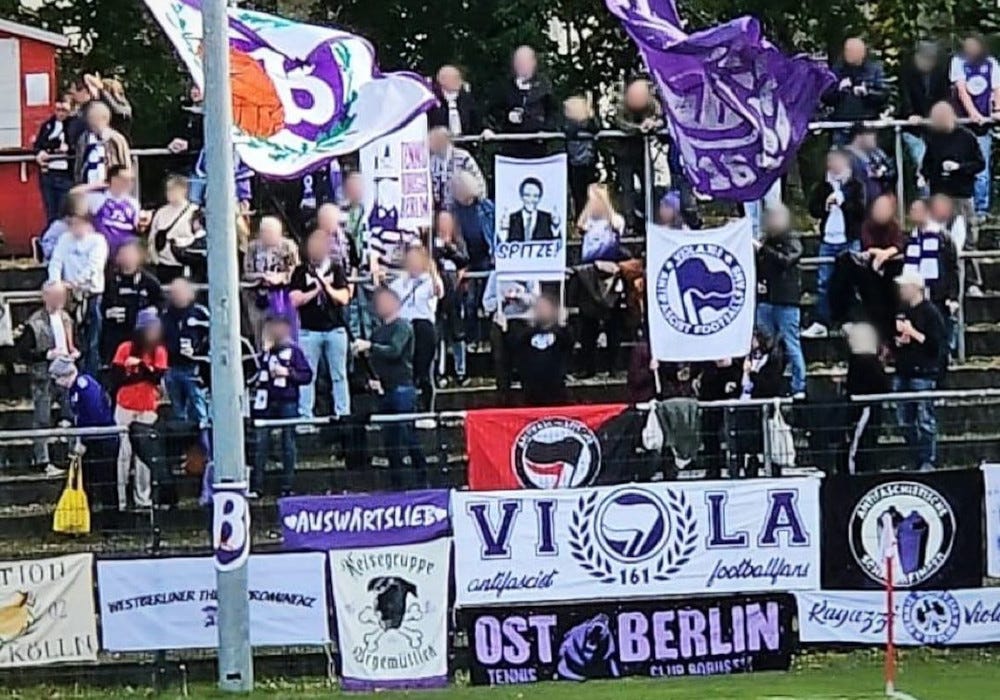
4) Tennis Borussia Berlin
Another team that I really wish had kept their original name. Berliner Tennis- und Ping-Pong-Gesellschaft would have been outstanding but they settled for the current name in 1913. Many German football clubs have large Sports sections or are actually merely a junior part of the wider association. Tennis are mainly well known for a disastrous foray into the Bundesliga in 1974-5, which ended with only 16 points.
Now one of Berlin’s cult clubs they have a traditionally Jewish and now left wing and progressive support, which can’t be a bad thing in today’s AFD haunted Germany.
3) Go ahead Eagles
At three is a reasonably famous team from the Netherlands, currently in the highest tier of Dutch Football and having won the top league 4 times. Their cup win last season has led to a rare European run in this campaign.
This probably sounds like a stirring and bold name to Dutch ears but I always imagine a bored member of the Royal family wearily waving on the latest entertainment.
’For sure I am tired of the jester, send in something to amuse me, oh go ahead then I suppose it must be the eagles’.
The real origin story is not quite as far-fetched. Formerly named ‘Be quick’ (another fantastic name) they became ‘Go ahead’ in 1905, and added the Eagles bit after linking in the coat of arms of the city of Deventer, where they play.
2) Partizan Belgrade
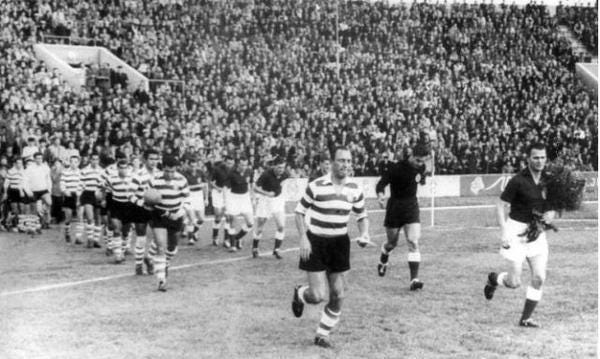
FK Partizan as they are known in Serbia conjure up images of the mysterious east. Named after the fierce partisan militia who fought against Fascism in WW2 they were formed in 1945 by young army officers and veterans of the Spanish civil war. Part of the Serbian big two along with Red Star ‘the steamroller’ have won 27 league titles and along with other former iron curtain clubs have to western ears an association with European floodlit games in black and white. Part of a huge association with 33 participating sports organisations, their Basketball team is one of the best in Europe.
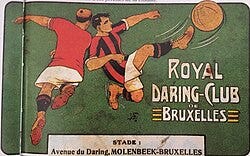
1) Racing White Daring Molenbeek Brussels
Needs little explanation. Belgian clubs have a history of merger, bankruptcy and buying other teams licenses to continue. Daring club were one of Belgium’s most famous clubs and have an association (in my head at least) with Tintinesque pluck as they captured 5 domestic championships, before inevitably merging and disappearing. The machinations of the other clubs involved would take a book, rather than a whimsical article to fully explain, but who couldn’t love this team, aptly named the coalition now based at the Edmund Machtens stadium in Molenbeek, a suburb of Brussels.