On a Wing and a prayer
Underdogs and unfashionable but still going, Welling United's rise, fall and hopefully brighter future.

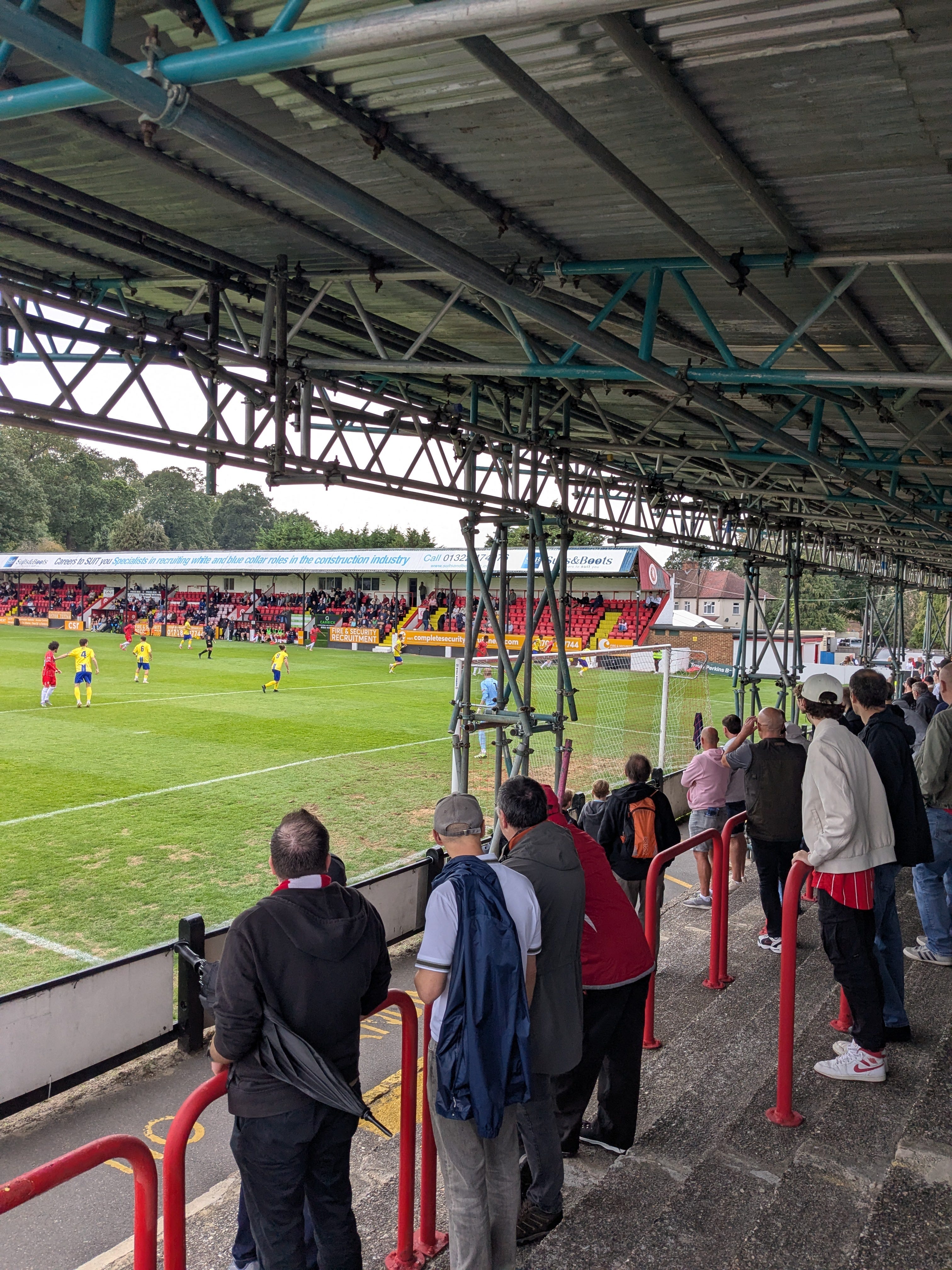
Park view road, the home of Welling United remains one of the last classic Non-
League grounds in greater London. With two ends of proper terracing backing onto
Danson park and the high street, an antiquated main stand, and incongruous more
modern counterpart opposite this wooden relic, very little has changed in the 40
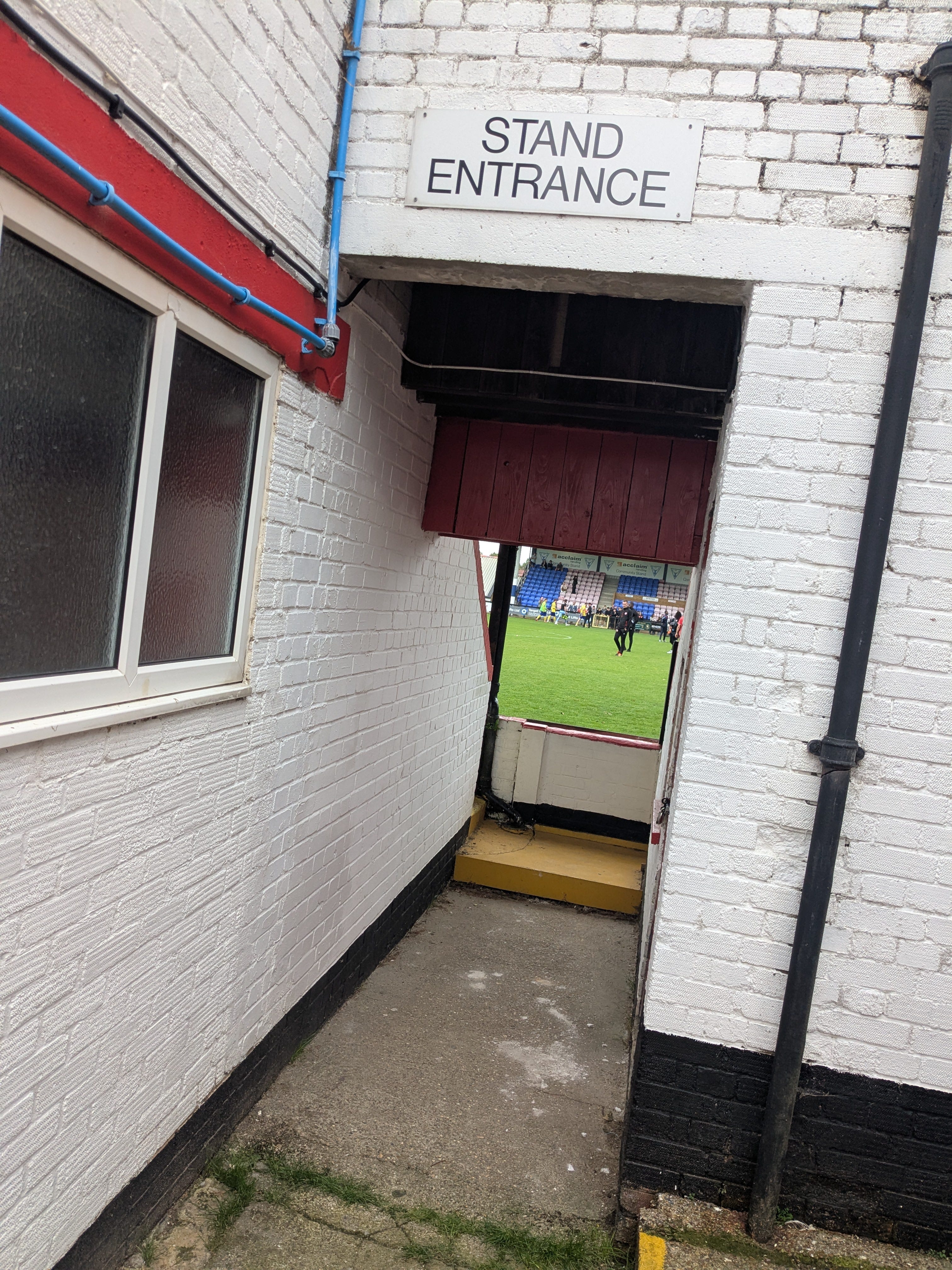
years since I first entered the place. The toilets under the main stand belong in a
museum, much of the terracing has been patched up to avoid its closure and despite
the regular licks of paint from the clubs’ incredible volunteers the ground is sadly a
shadow of its former self.
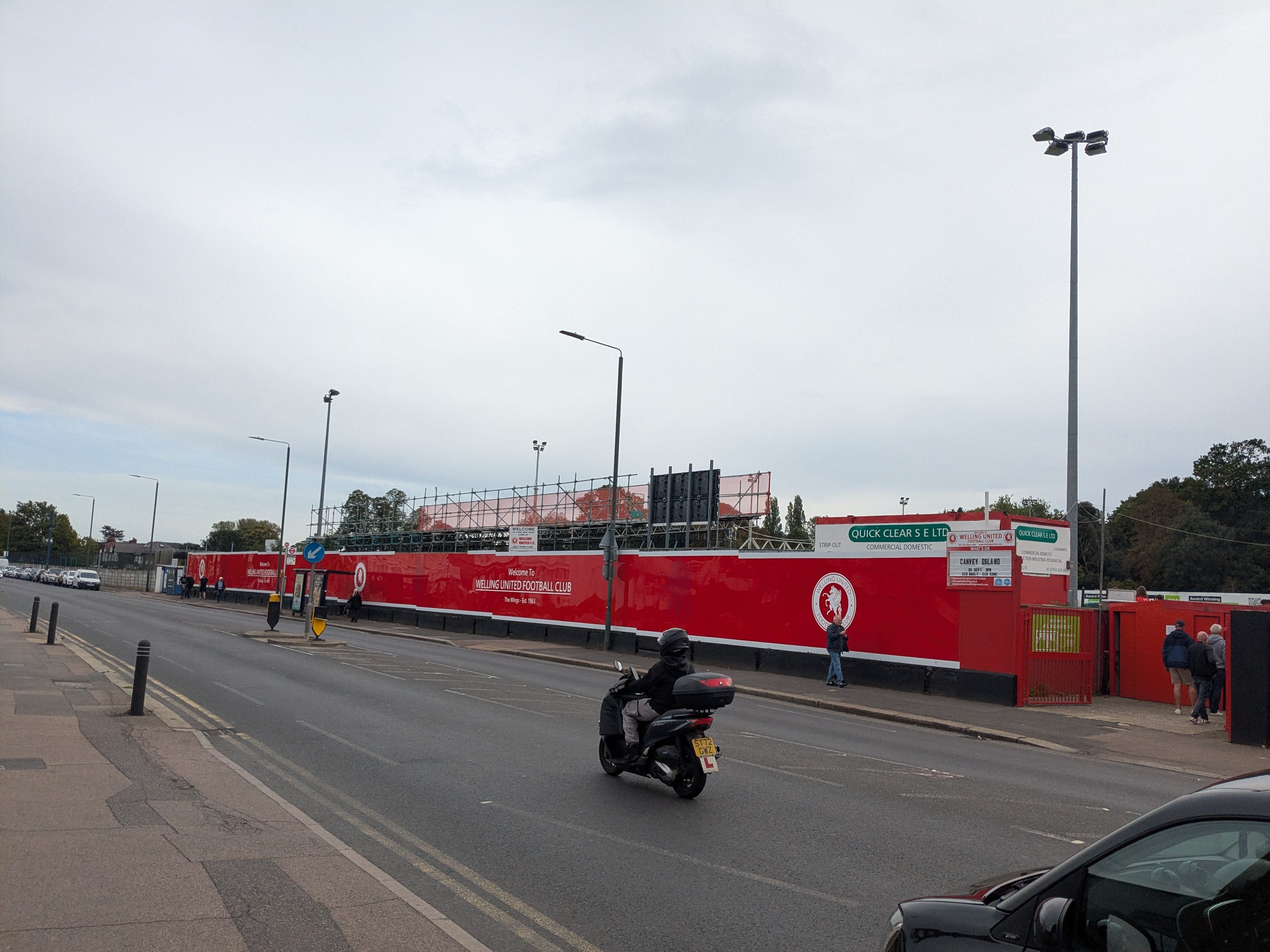
Recent efforts to add a 5G pitch and modernise the stadium have fallen at the
planning stages and as a result the club remain in limbo, unable to maximise
revenue on non-match days and hampered by a long-term ground sharing
agreement with Erith and Belvedere, who moved into the council owned premises
in 1999.
Welling’s recent existence has been simply one of survival. Several years of decline
since Mark Goldberg (he of brief Crystal Palace infamy) and then Howard Prosser
took over the club have left the Wings currently slumped in the Isthmian Premier
league relegation zone. Irishman Ryan Maxwell is their 3rd manager of a traumatic
season that has seen them use almost 60 players following relegation from the
National league south in 2024-5. Crowds have inevitably shrunk to an average of
707 (boosted by holiday gates) but on a normal matchday this is more likely to be
around the 500 mark.
Situated in Bexley borough on the old Roman road to Kent, Welling have always
suffered from being close to Charlton, Millwall and a myriad of other Non-league
counterparts. VCD and Phoenix Sports are also based in Bexley and Dartford are
close by. Like most suburban semi-professional sides, the ease of travel to London’s
professional outfits means attracting sufficient regular supporters has always been a
struggle.
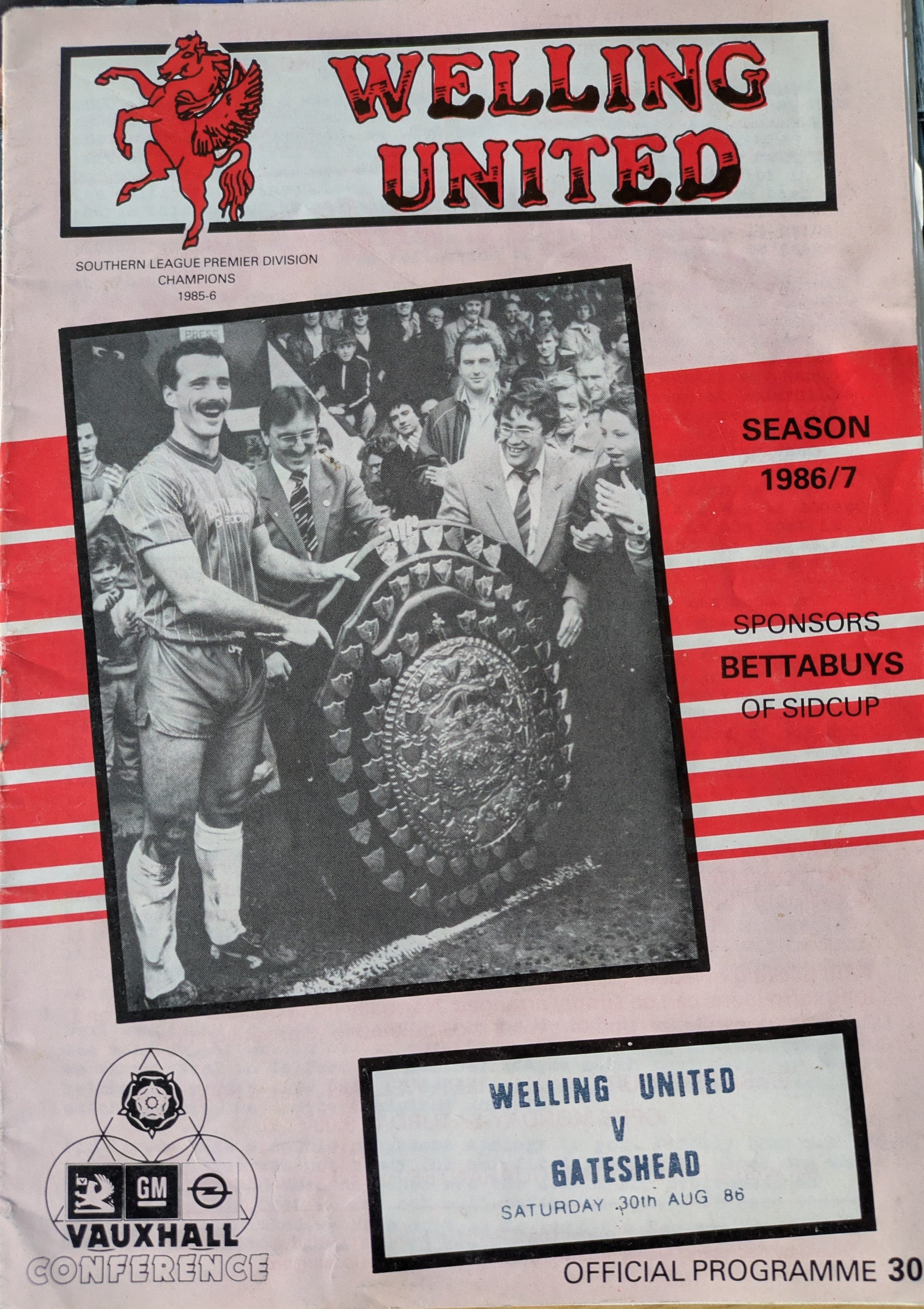
However back in the 1980’s it seemed that nothing could stop the ‘Wings’ from going
on into the football league. Only founded in 1963 by Syd Hobbins, a former Charlton
goalkeeper, as a park side based at Butterfly lane in Eltham, by 1986 Welling had
progressed from the London intermediate league to the Spartan league and into the
Southern league. In 1985-6 led by captain and bank manager Nigel Ransom they
stormed to the Championship in 1985-6, with a winning margin of 23 points.
They had moved into the semi derelict Park view road in 1977 after the demise of its
former tenants Bexley United and were well known for having an excellent youth
programme that produced Sheffield United favourite Tony Agana and Irish captain
Andy Townsend as well as club record scorer John Bartley who subsequently moved
to Millwall. The vast majority of the team were local lads or indeed originally part of
the youth set up. One exception was prolific striker Terry Robbins, who often
provided the only touch of class on Park view roads muddy slope, as long balls were
hoofed towards his diminutive 5,5 frame.
The Wings spent the next 14 seasons in tier 5, often in the bottom half and saved by
other clubs financial or stadium problems on a few occasions. However, for a club
with a small budget and run cannily by Graham and Barrie Hobbins (Syd’s sons) this
was no small achievement. Despite league struggles there were also memorable FA
cup runs, including a narrow home loss to Blackburn Rovers in 1988-9 and the
defeat of Gillingham the year afterwards.
These years were bleak ones for the area. The racist British National party used a
planning loophole to set up their headquarters (thinly disguised by a bookshop) a
short walk from the ground. The rise of tension and racist attacks as a result,
culminating with the racially motivated murder of Stephen Lawrence in nearby
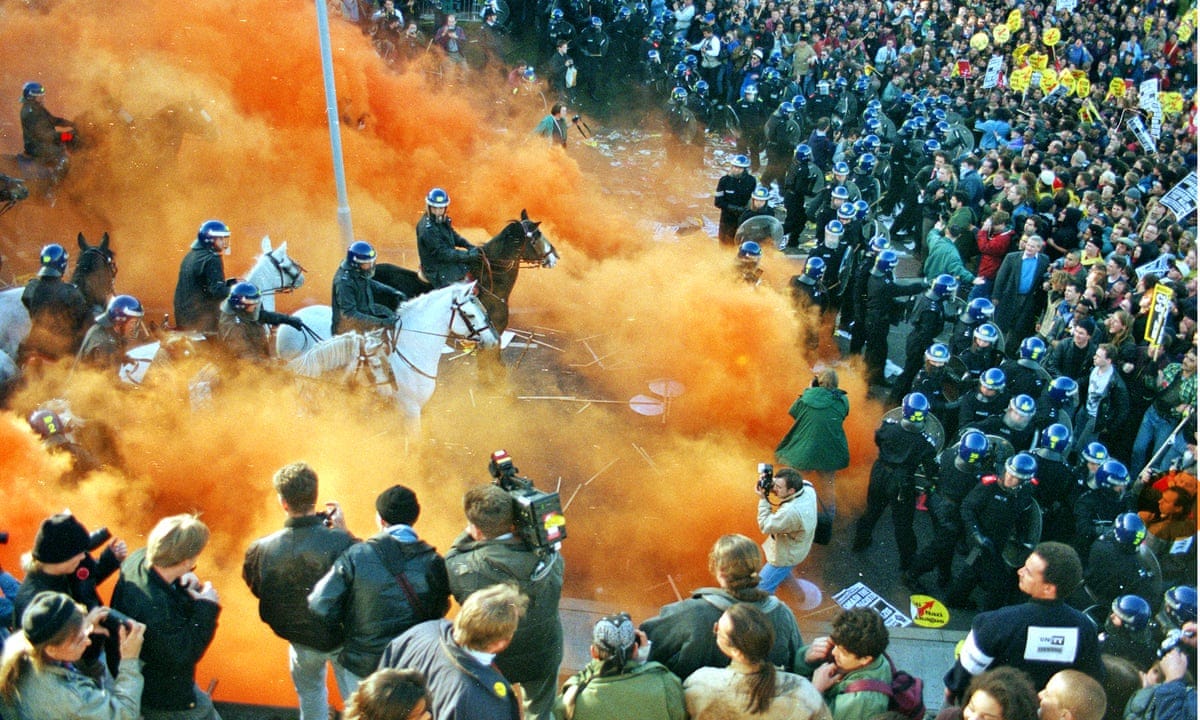
Eltham in 1993 triggered a 45’000 strong anti-racist march in the town, which ended
in violence. As Balwinder Rana of the Anti-Nazi league commented to the Guardian
in 2016,
“ They (police) smashed into people with their horses and hit them with long
truncheons. It was terrifying. Everyone scattered. Some people grabbed
bricks and started throwing them at the police. Our peaceful protest became a
riot”.
During this period Welling always had black players, including captain Wayne Brown
and I never personally felt a sense of racism amongst the supporters or heard any
comments, but it certainly gave the area a poor reputation and can’t have helped the
clubs growth. Thankfully the ‘bookshop’ was closed by the council in 1994.
Following relegation in 1999-2000 and a mixed decade in the Southern league and
then Conference south the Wings faced a HMRC winding up order in 2010. The club
and especially many supporters who loaned a large part of the money, raised
£60’000 and Welling were saved. Ironically this period ended up being very
successful on the pitch, with player manager Jamie Day leading them to 6th and 3rd
place finishes before winning the title in 2012-13.
Three years in the National league brought some memorable victories over the likes
of Tranmere and Grimsby before the inevitable relegation in 2016. Apart from a push
to the southern playoff final under flamboyant manager Steve King in 2019, the
following years have seen ten managers and innumerable amounts of players used
without lasting success.
So where does this leave the club in 2026?
Teetering on the brink of a successive relegation, no closer to any significant ground
improvements but still a club at the heart of its community and with a loyal core of
supporters whose away following is as good or better than most teams in the
National South, let alone the Isthmian league. Welling itself is now a multicultural
area with a potential new supporter base as a result who with a dedicated effort to
attract them could help to revitalise the club.